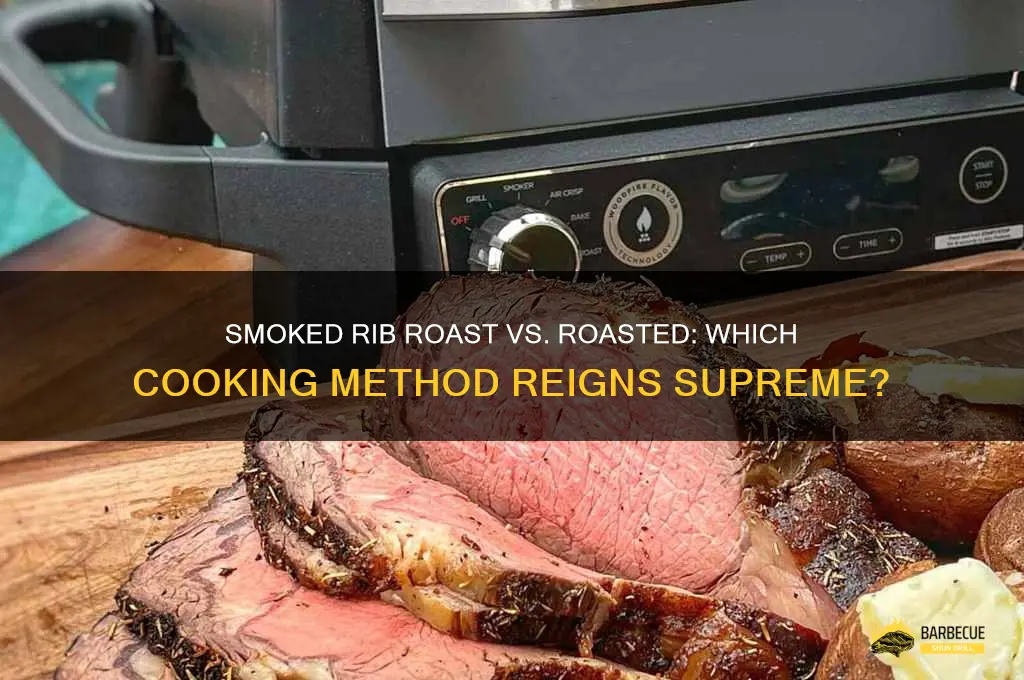
Oven vs. Smoker: How to Cook the Best Pork Rib Roast
The pork rib roast is a magnificent centerpiece, a true showstopper that promises a succulent, flavorful experience. Whether you're aiming for a classic, crispy-skinned roast or a deeply smoky, tender masterpiece, choosing the right cooking method is paramount. The debate between oven roasting and smoking a pork rib roast isn't just about personal preference; it's about understanding how each technique interacts with the meat to unlock its full potential. In this comprehensive guide, we'll delve into both methods, helping you decide which path leads to your perfect pork rib roast.
The Foundation: Choosing and Preparing Your Pork Rib Roast
Before any heat touches the meat, the journey to an exceptional pork rib roast begins with careful selection and meticulous preparation. The quality of your roast directly influences the final outcome, regardless of your cooking method.
- Selecting Your Meat: Opt for a high-quality, bone-in pork rib roast. The bones aren't just for aesthetics; they contribute immense flavor and help insulate the meat, promoting more even cooking and moisture retention. Look for meat that is light pink with significant marbling – those streaks of white fat are key to juiciness and flavor. For an elevated experience, consider heritage breeds like Berkshire or Duroc, known for their superior fat content and richer flavor profiles.
- Trimming the Fat Cap: This step is a delicate art. The fat cap is crucial for basting the meat and adding flavor, but too much can result in a greasy roast and uneven cooking. Aim to reduce the fat layer to about ¼ inch. Use a sharp, thin-bladed knife to carefully trim away excess fat, following the natural contours of the roast. Think of it as sculpting; you're shaping the roast for both optimal cooking and presentation.
- Seasoning for Success: Seasoning is not merely about adding flavor; it's about building a foundation for an incredible crust and locking in precious juices. Salt is your best friend here. Use kosher salt generously, approximately 1 teaspoon per 5 pounds of meat. Don't rush this; salt needs time to penetrate the meat, so apply it at least an hour before cooking, or ideally, the night before. Pair the salt with coarse black pepper and a simple, aromatic herb blend like rosemary and thyme. While complex rubs have their place, the natural sweetness of pork often shines brightest with straightforward, bold seasoning. For an extra kick, a dash of acidity from vinegar, citrus zest, or apple cider can brighten the overall flavor. After seasoning, allow the roast to rest in the refrigerator for several hours or overnight. This crucial step not only deepens flavor penetration but also helps create a better crust during cooking.
Mastering the Oven: A Classic Approach to Pork Rib Roast
Oven roasting is the quintessential method for a pork rib roast, favored for its reliability and ability to produce a beautifully browned, tender interior. It’s a straightforward process that, when executed correctly, delivers a consistently delicious result.
- Preheat and Sear: Begin by preheating your oven to 375°F (190°C). Searing the roast before it goes into the oven is non-negotiable. In a hot, heavy-bottomed skillet (cast iron works wonderfully), sear all sides of the pork rib roast until a deep golden-brown crust forms. This step, known as the Maillard reaction, creates incredible depth of flavor and helps to "lock in" juices by developing a protective barrier on the exterior. Some recipes advocate for a high-temperature sear *in* the oven at the beginning of cooking, such as 450°F (232°C) for 20 minutes, before reducing the temperature. Both methods achieve similar results, so choose what's most comfortable for you.
- Roasting to Perfection: Transfer the seared roast to a roasting pan, ideally on a rack to allow for even heat circulation. You can optionally add aromatic vegetables like carrots, onions, and potatoes to the pan to cook alongside the roast, absorbing its drippings and becoming tender, flavorful accompaniments. Roast for approximately 20-25 minutes per pound, or until the internal temperature reaches 145°F (63°C) for medium doneness. Always use a reliable meat thermometer inserted into the thickest part of the meat, avoiding the bone, for accuracy. The beauty of oven roasting lies in its consistent, controllable heat, allowing you to easily manage the cooking process.
- Benefits of Oven Roasting:
- Control: Ovens offer precise temperature control, making it easier to achieve your desired doneness without constant monitoring.
- Speed: Generally, oven roasting is quicker than smoking, making it ideal for weeknight meals or when time is a factor.
- Accessibility: Most kitchens have an oven, making this method highly accessible without requiring specialized equipment like a smoker.
- Crispy Skin: The higher, drier heat of an oven is perfect for developing a wonderfully crispy, crackling skin on your roast.
Embracing the Smoke: Unlocking Deep Flavor in Your Pork Rib Roast
For those seeking a profound depth of flavor and unparalleled tenderness, smoking a pork rib roast is a culinary adventure. This low-and-slow method transforms the meat, infusing it with aromatic wood smoke and rendering the fat into silken succulence.
- Smoker Setup and Wood Selection: The type of wood you choose significantly impacts the flavor profile. For pork, hardwoods like hickory, applewood, cherry, or pecan are excellent choices. Hickory provides a strong, bacon-like flavor, while apple and cherry offer a sweeter, fruitier smoke. Ensure your smoker is stable at a low temperature, typically around 225°F (107°C). Whether you're using an offset smoker, pellet grill, or electric smoker, maintaining a consistent temperature is key to even cooking and optimal smoke penetration.
- The Low-and-Slow Process: Place your seasoned pork rib roast directly on the grates of your preheated smoker. The lower temperature and longer cooking time (often several hours) allow connective tissues to break down slowly, resulting in incredibly tender meat. This extended period also gives the fat ample opportunity to render beautifully, self-basting the roast from within. The roast will gradually develop a rich, mahogany-colored "bark" on the exterior – a delicious, flavorful crust that is a hallmark of perfectly smoked meats. A visible "smoke ring" (a pinkish band just beneath the surface) is another indicator of successful low-temperature smoking.
- Monitoring Internal Temperature: Just like with oven roasting, an accurate meat thermometer is crucial. Aim for an internal temperature of 145°F (63°C) for medium doneness. Due to the lower cooking temperature, the carryover cooking (the temperature rise after removal from heat) will be less pronounced compared to oven roasting, but still a factor.
- Benefits of Smoking:
- Unrivaled Flavor: The primary draw of smoking is the distinctive, deep smoky flavor that permeates the meat, adding a complexity unmatched by other methods.
- Exceptional Tenderness: The low-and-slow cooking method breaks down collagen more effectively, yielding a melt-in-your-mouth texture.
- Juiciness: Extended cooking at lower temperatures, combined with the rendering fat, often results in an incredibly moist roast.
- Unique Bark: The formation of a savory, slightly crispy bark on the exterior is a highly prized characteristic of smoked meats.
The Crucial Final Step: Resting Your Pork Rib Roast
Regardless of whether you chose the oven or the smoker, the single most critical step often overlooked is resting the roast. This seemingly simple action has a profound impact on the final juiciness and tenderness of your pork rib roast.
Once your roast reaches its target internal temperature, remove it from the heat source and immediately wrap it loosely in aluminum foil. Let it rest for 15-20 minutes, or even up to 30 minutes for a larger roast. During cooking, the muscle fibers contract, pushing the juices towards the center of the roast. Cutting into it immediately would cause these precious juices to flood out, leaving you with dry meat. Resting allows the muscle fibers to relax, redistributing the juices evenly throughout the roast. This means every slice will be succulent, tender, and bursting with flavor. Patience truly is a virtue in this final stage.
Conclusion: Which Method is Best for Your Pork Rib Roast?
Both oven roasting and smoking offer unique advantages for preparing an exquisite pork rib roast. The "best" method ultimately depends on your desired outcome, available equipment, and personal taste preferences.
- Choose Oven Roasting if you prioritize a classic, juicy roast with a beautifully crisp exterior, a quicker cooking time, and precise control over the cooking environment. It's a reliable method perfect for special occasions or a hearty family dinner, delivering consistent results every time.
- Opt for Smoking if you crave an intensely flavorful, deeply tender roast infused with a distinct smoky aroma. This method requires more time and specialized equipment but rewards you with a unique culinary experience that is truly unforgettable, transforming the pork rib roast into an epicurean delight.
No matter your choice, remember that proper selection, preparation, accurate temperature monitoring, and the vital resting period are the universal keys to unlocking the full potential of your pork rib roast. So, fire up your oven or smoker, and prepare to create a masterpiece that will impress and delight!
